The streets of any city or destination hold so much history, and so many stories. The streets offer a glimpse into a city’s development and industries and people, and paint a picture of its culture. The homes, the monuments, the street art, the decorations, the trees and greenery, the shops and storefronts: all offer rich visual cues of what makes a specific place unique. As a traveler, wandering the streets–especially on foot–to get a feel for a new place is one of my favorite things to do.
In that vein, I’m planning to make On the streets of… a new series on AnnaLogsIt in an attempt to share better glimpses of the amazing places I’ve had the pleasure of visiting through snaps from wandering its streets. What better place to start than one of the places in the world with the most colorful and vibrant streets; hilly and architecturally enchanting, seaside and expansive, known the world over for its incredible street art: Valparaiso, Chile.

Valparaiso is a vibrant seaside town made up of over 40 hills, or “cerros”, which each represent their own small neighborhoods and identities. It was once a thriving port and one of the richest cities in South America, because shipping vessels would stop off in Valparaiso as they made the necessary journey around the southern tip of South America to get from Europe to the western U.S.

The opening of the Panama Canal in the early 20th century spelled disaster for Valparaiso and quickly led to the port city’s downfall. But in the 1940s, world-famous, Nobel Prize poet laureate Pablo Neruda (who has an incredible hilltop home called La Sebastiana in Valparaiso with remarkable views) decided to bring some life back to Valparaiso’s streets by drawing a page from the muralism he’d seen flourishing in Mexico City during his time there as Chilean Consul General. He invited Mexican artists to Valparaiso when he returned to Chile in 1943–and the street art movement began to blossom.
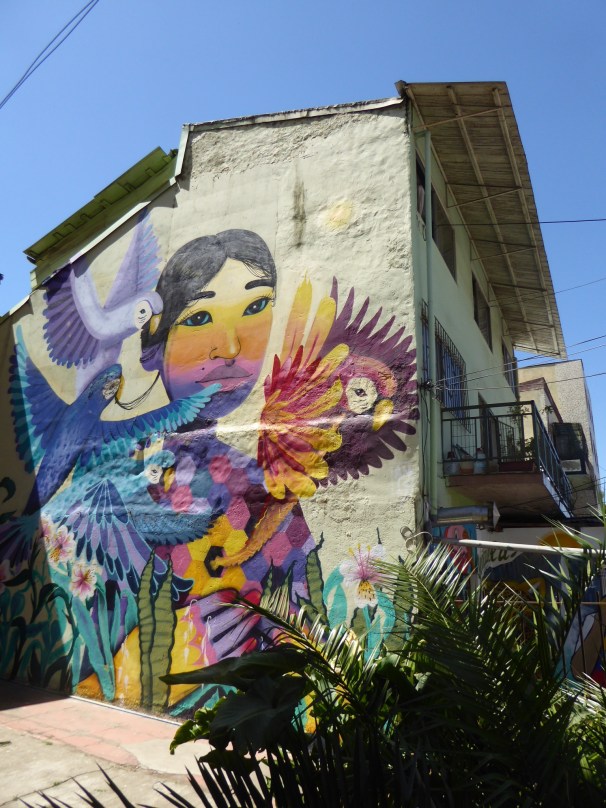
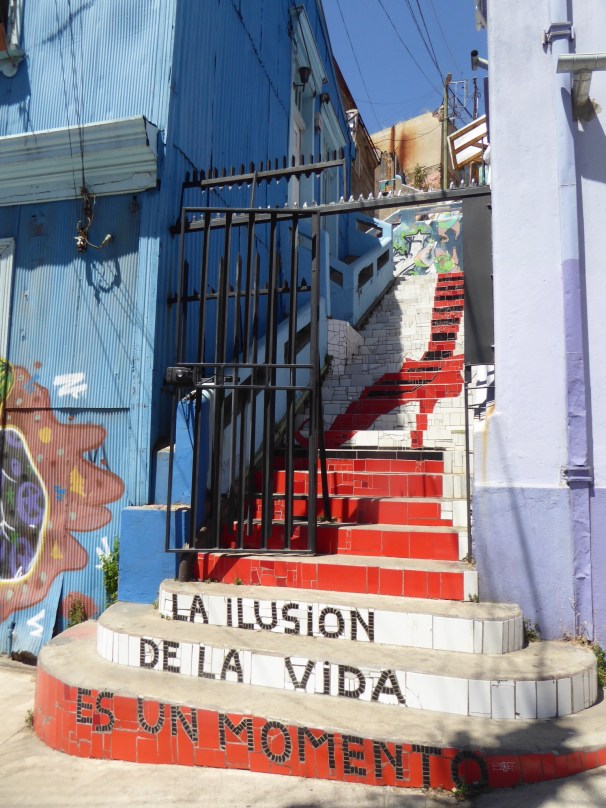
During Chile’s military dictatorship, all forms of political art, including street murals, were banned and artists caught defying this policy were disappeared. And yet, many still took to Valparaiso’s streets to create art as powerful activism, often with messages against the dictatorship, or art to offer hope and inspiration to Chileans during the dark time.

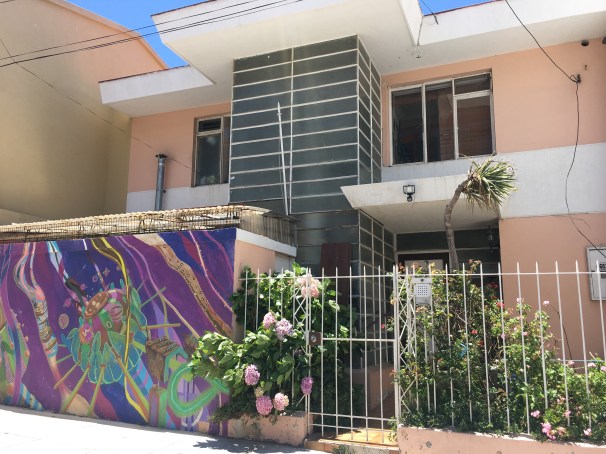
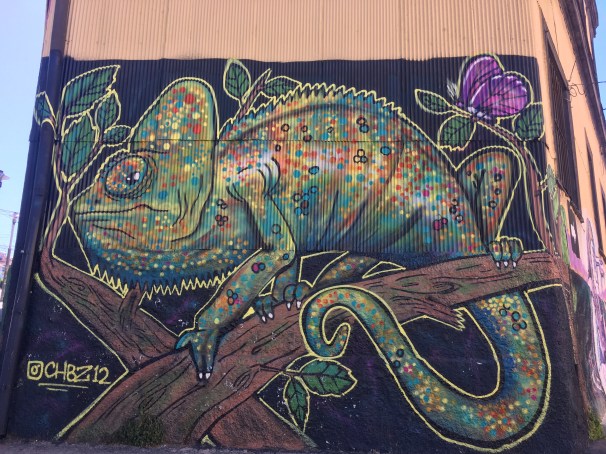
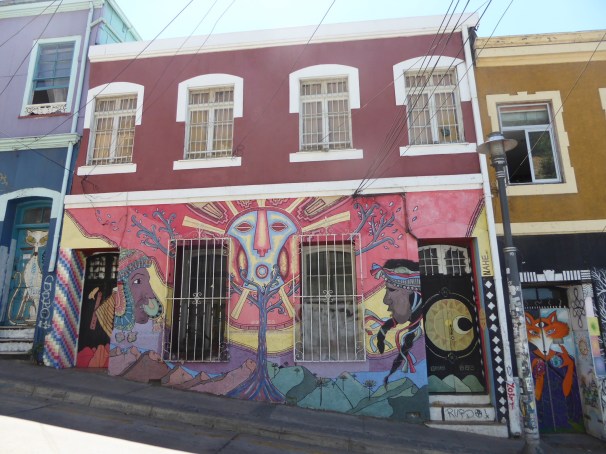
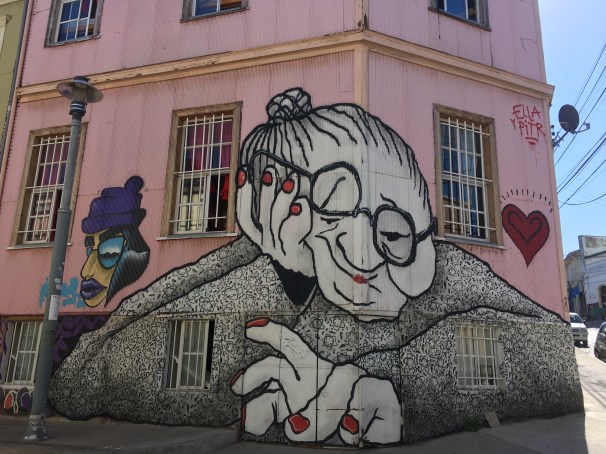
After the downfall of the Pinochet regime, Valparaiso’s government not only made street art legal but has even supported artists to create murals. Now, it seems like colorful, lively, intricate murals cover every inch of Valparaiso bringing the city more charm, appeal, and character than its port alone ever could. Every corner you turn, every hill you wander up or down, every street you wander onto, you are bound to be welcomed by an awe-inspiring street art masterpiece. It is such a delight.


And so this edition of On the streets of… is more like an ode to some of the most amazing and diverse street art–painted on homes, restaurants, the side of buildings, doors, window shutters, steps–that I’ve ever had the pleasure of seeing with my own eyes.

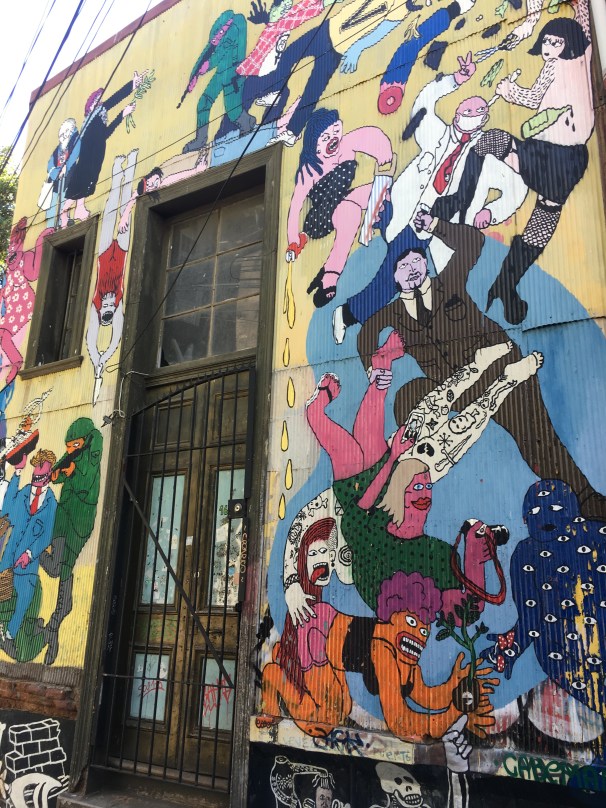

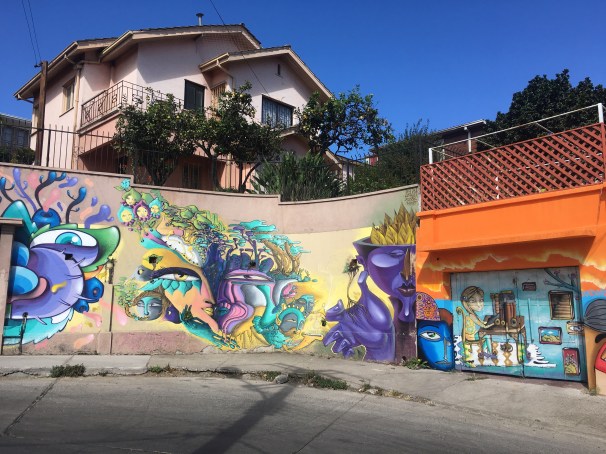
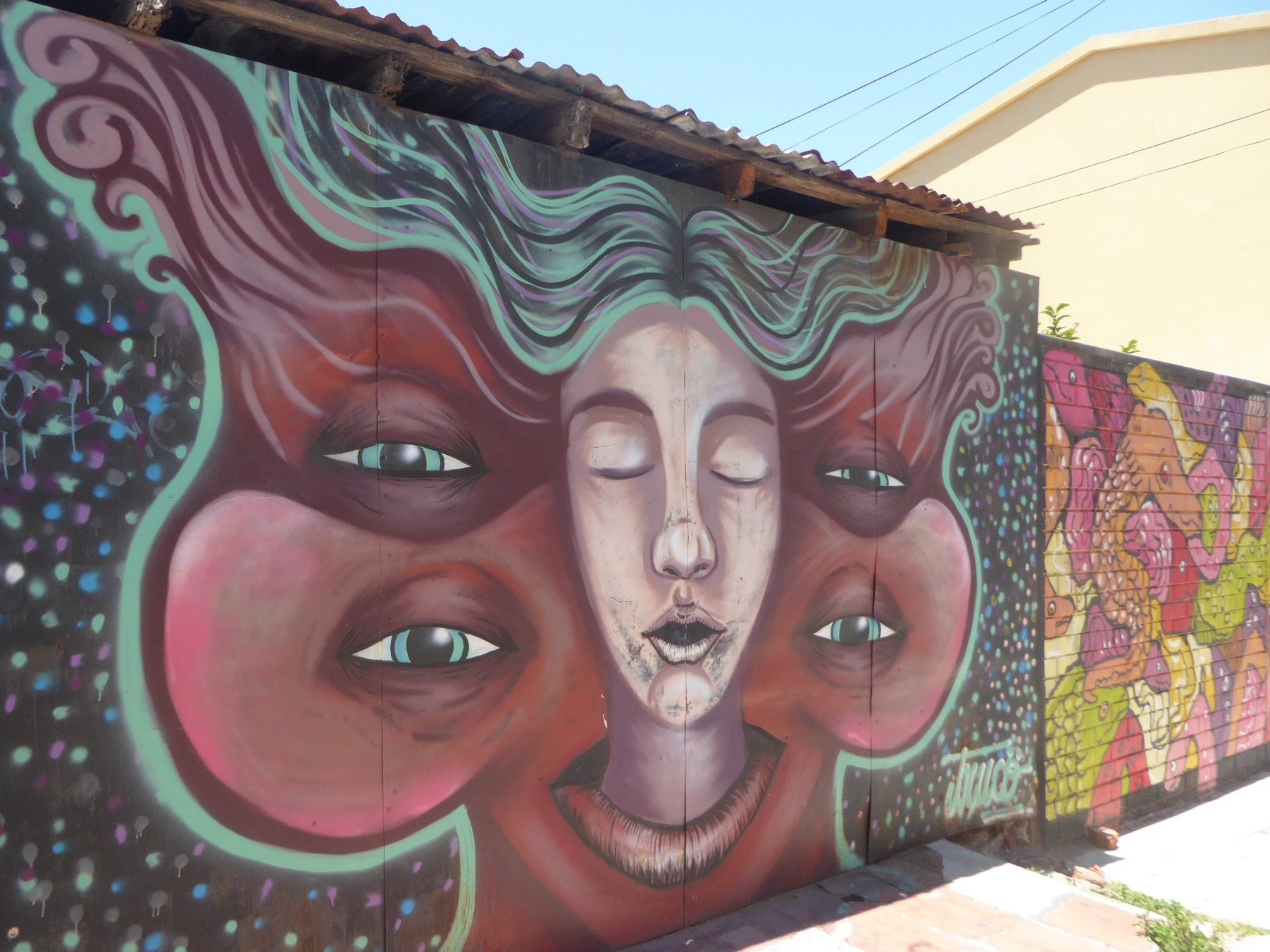

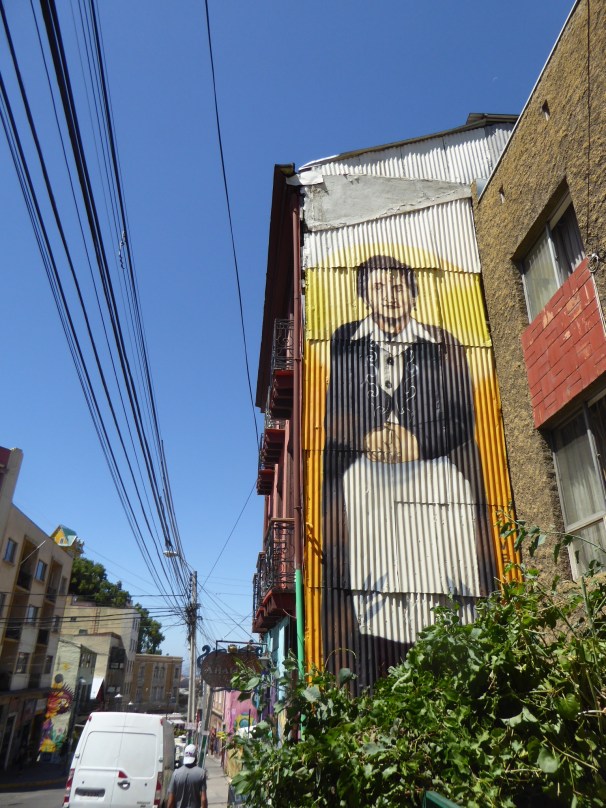
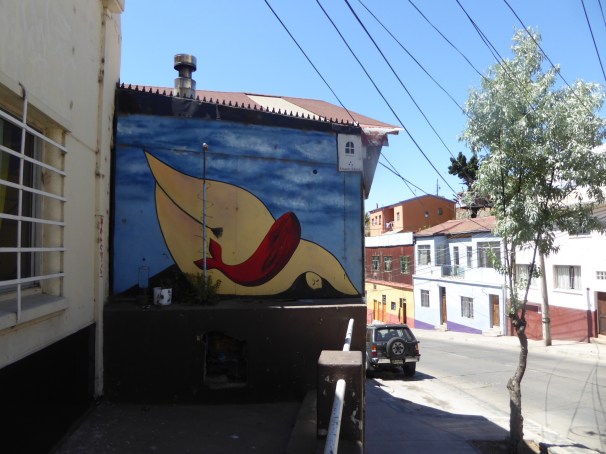


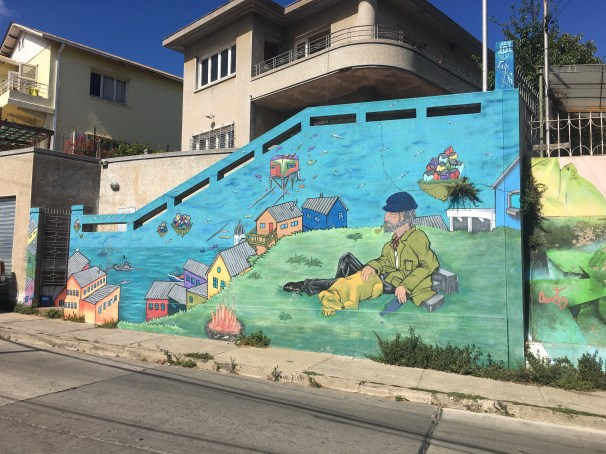


Tell me: which mural is your favorite?
PS. Visit On the streets of Penang to get an immersive glimpse of Penang, Malaysia’s confluence of cultures as told through its own surprising street art.
 Anna Logs It