In a super-scientific survey of my friends and Instagram followers, you resoundingly asked for photos of mountains in South America. You’re in luck, because I have literally thousands of photos that fit the bill! Exploring the epic Patagonia region of Argentina and Chile–largely on foot–at the end of 2018 was one of the most incredible things I’ve ever had the chance to do, and I can’t wait to share more of our stories and photos from this magical part of the world soon. I’ll be honest: I was a little worried that I’d be let down by Patagonia since it is so hyped and trendy at the moment. I’m here to tell you that it’s worth all of the hype, and I plan to add to it.
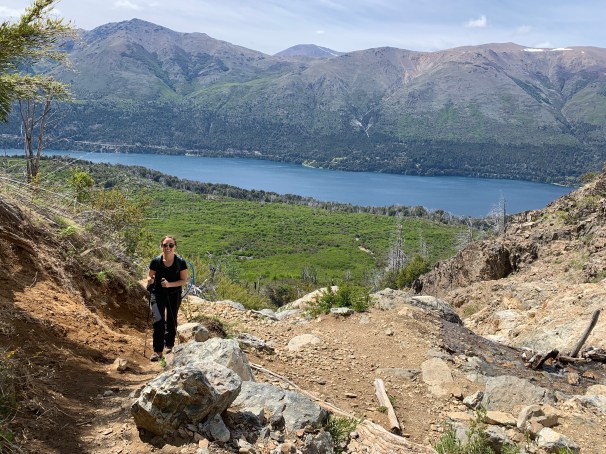
Our first stop in Patagonia was Bariloche, a charming and bustling mountain town at the foothills of the Andes that marks the northern point of the Patagonia region in Argentina. Wandering the streets of Bariloche, you’ll find incredible food, countless microbreweries, all the outdoor shops, chocolaterias, local hipsters, and some surprisingly cool street art. The downtown area is hilly, meaning that walking around is not only a great workout but you also can’t go that far without hitting another vista of the massive and stunning Nahuel Huapi glacial lake that Bariloche sits on. I’ll share more on Bariloche in a full guide, but for now, let’s stick to the mountains that brought us here, shall we?
The one-day trek to Refugio Frey on Cerro Catedral just outside of Bariloche was our first hike in South America. And what a hike it was! Refugio Frey is about as quaint a mountain hut as one could want, and its setting on the breathtaking Laguna Toncek surrounded by an amphitheater of jagged peaks is magical. It’s named for Engineer Emilio Frey, who was the park administrator of Nahuel Huapi National Park and one of the founders of Club Andino Bariloche.
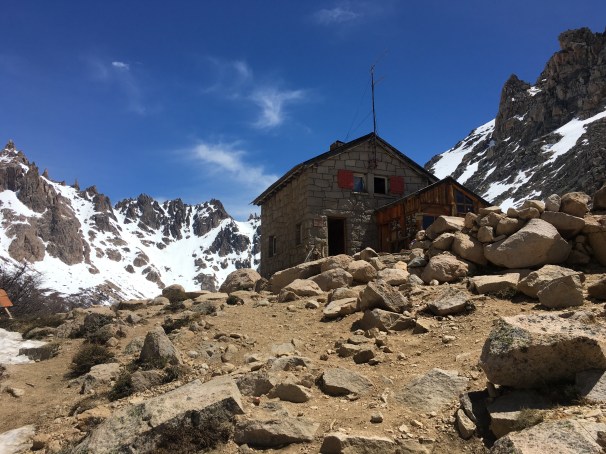
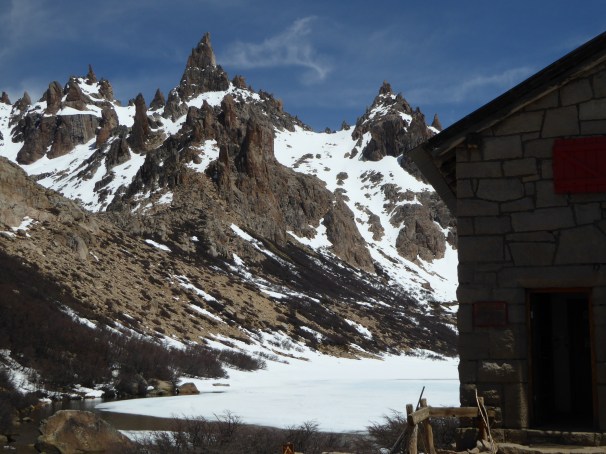
We lucked out with a bright and picturesque day; the sun was shining down and warming us up the whole way, which was really nice to counteract some of the Patagonian wind gusts. The trail was somewhat crowded at certain points, as to be expected given Frey’s status as the best hike in the area, but it was absolutely worth the trail traffic. There are beautiful views of the lakes around Bariloche (aptly known as Argentina’s “Lakes Region”) and the Andes from the trail on the way up and down.

Refugio Frey is incredibly welcoming and cozy. It boasts bunks inside and a camping area outside for those who want to stay the night, and a quaint little dining area that offers up pretty tasty toasted sandwiches and beer with serious views of the lake and snow-capped peaks.

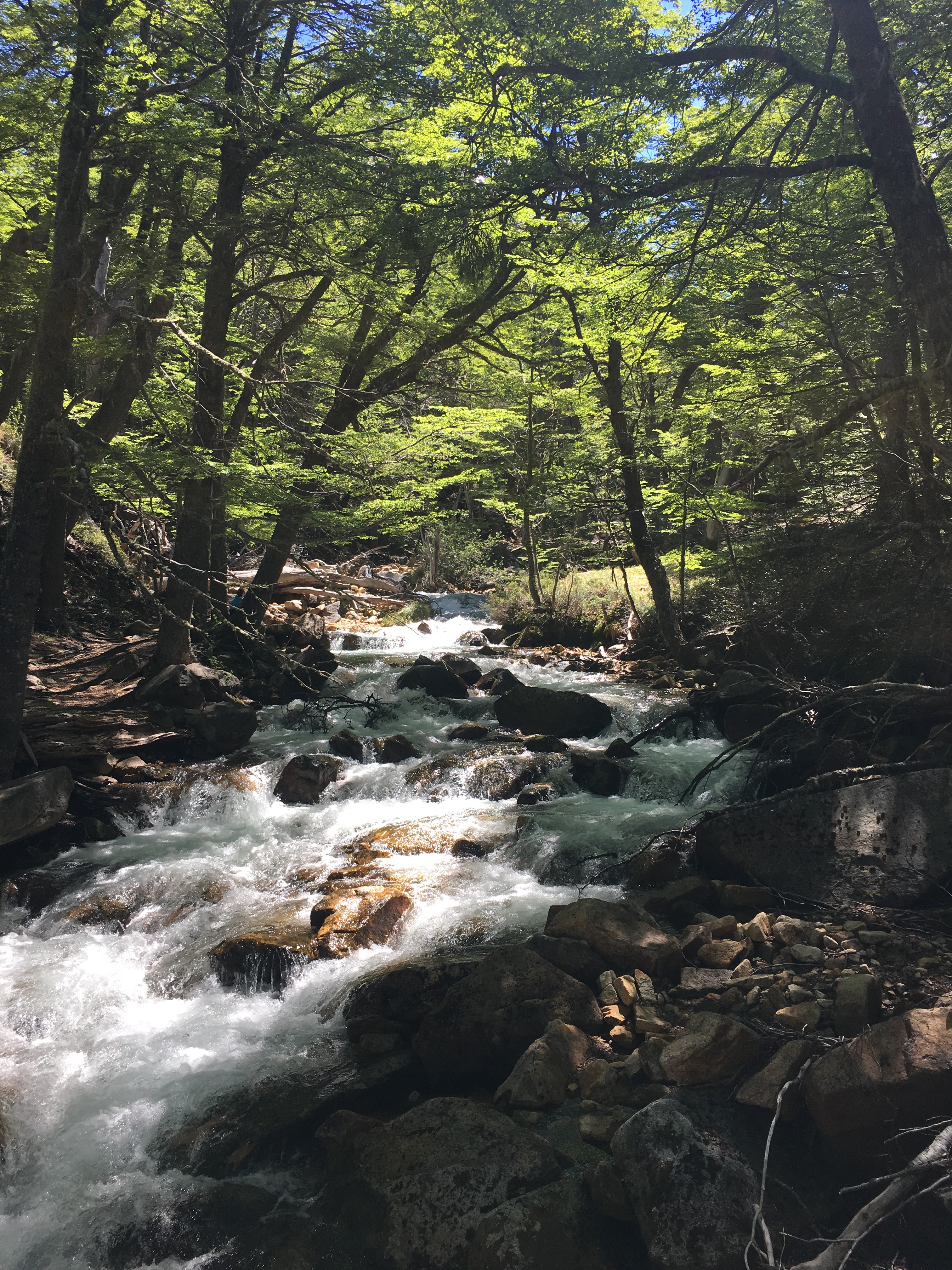
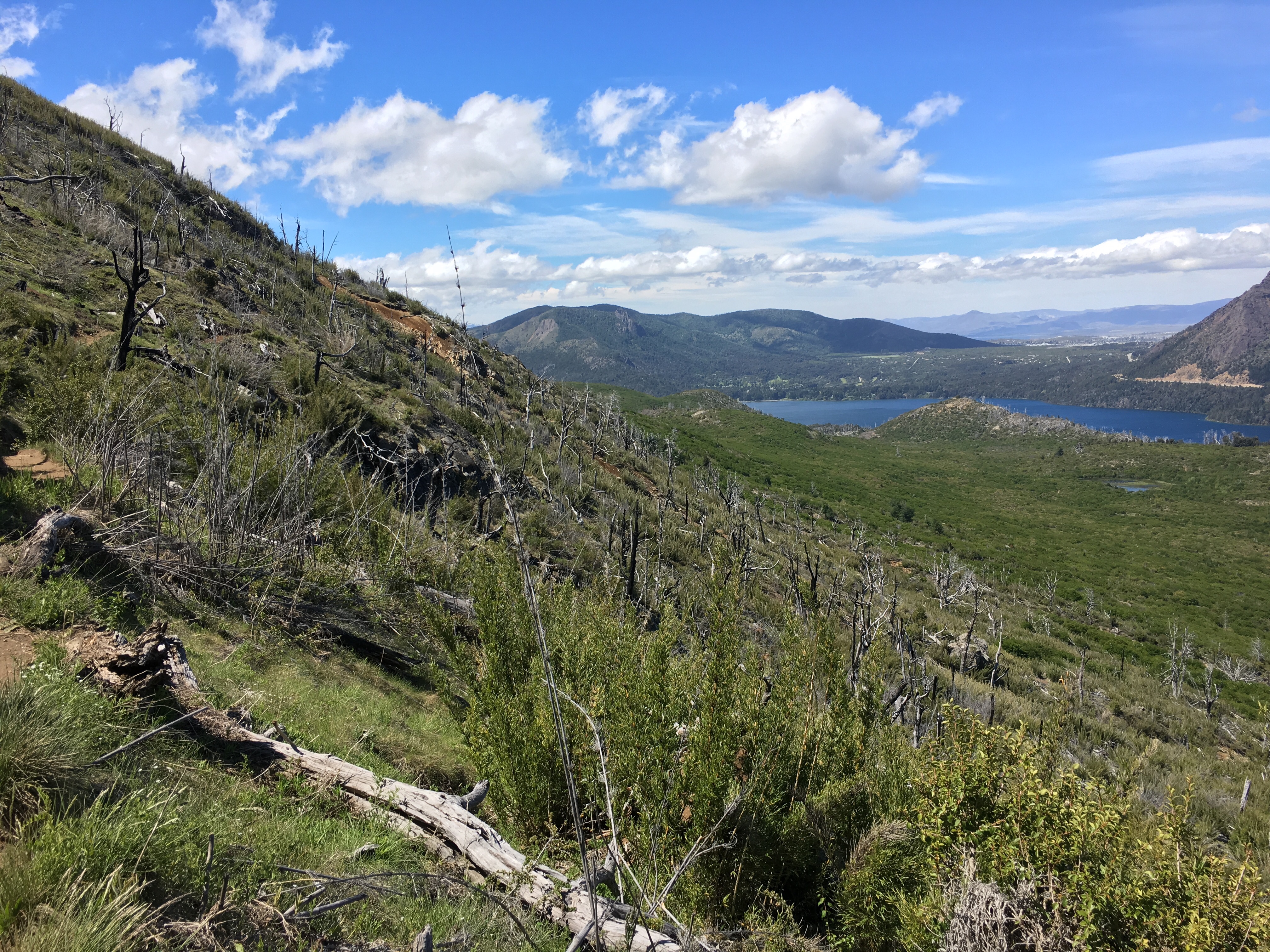
The 15-mile, 700 meter ascent/descent, there-and-back hike serves up enjoyable walking through a mystical forest (in which we heard and saw a woodpecker!), some scrambling on boulders and scree in ascents of varying grades, crossing streams and waterfalls sometimes aided by foot bridges of different materials and lengths including a 30-meter-long metal bridge, and–for us, at the end of November–a final ascent up (then descent down, on the way back) some crunchy snow in the final meters to reach Refugio Frey.

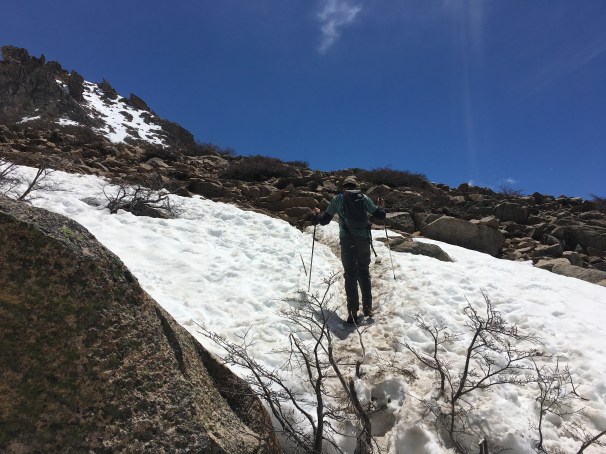
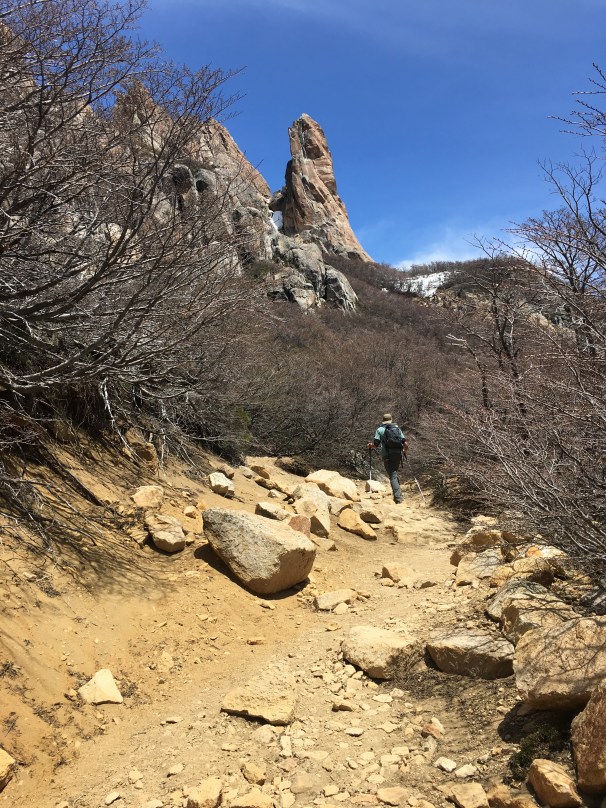
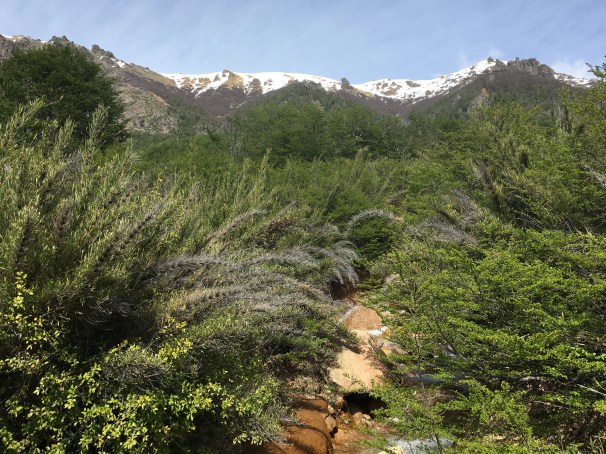
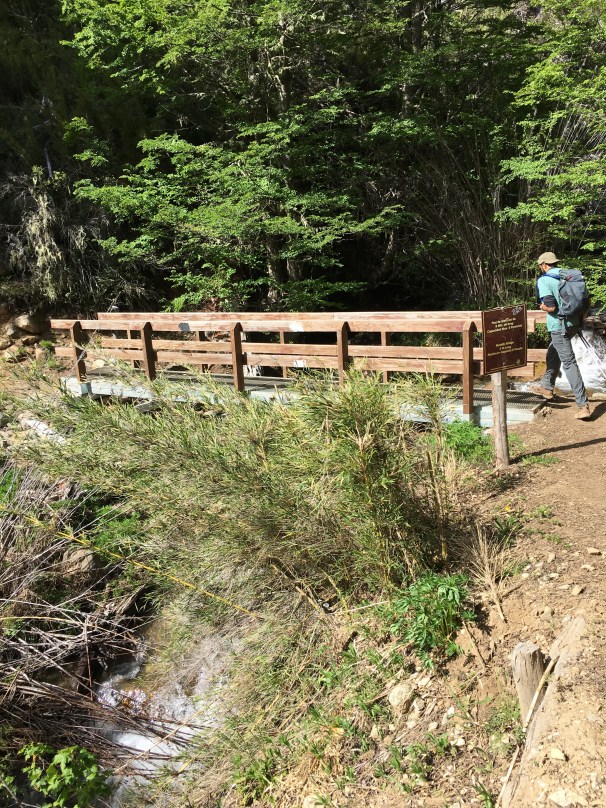
To sum it up: the epic Frey hike has a little bit of everything to set any hiking lover’s heart a-flutter.
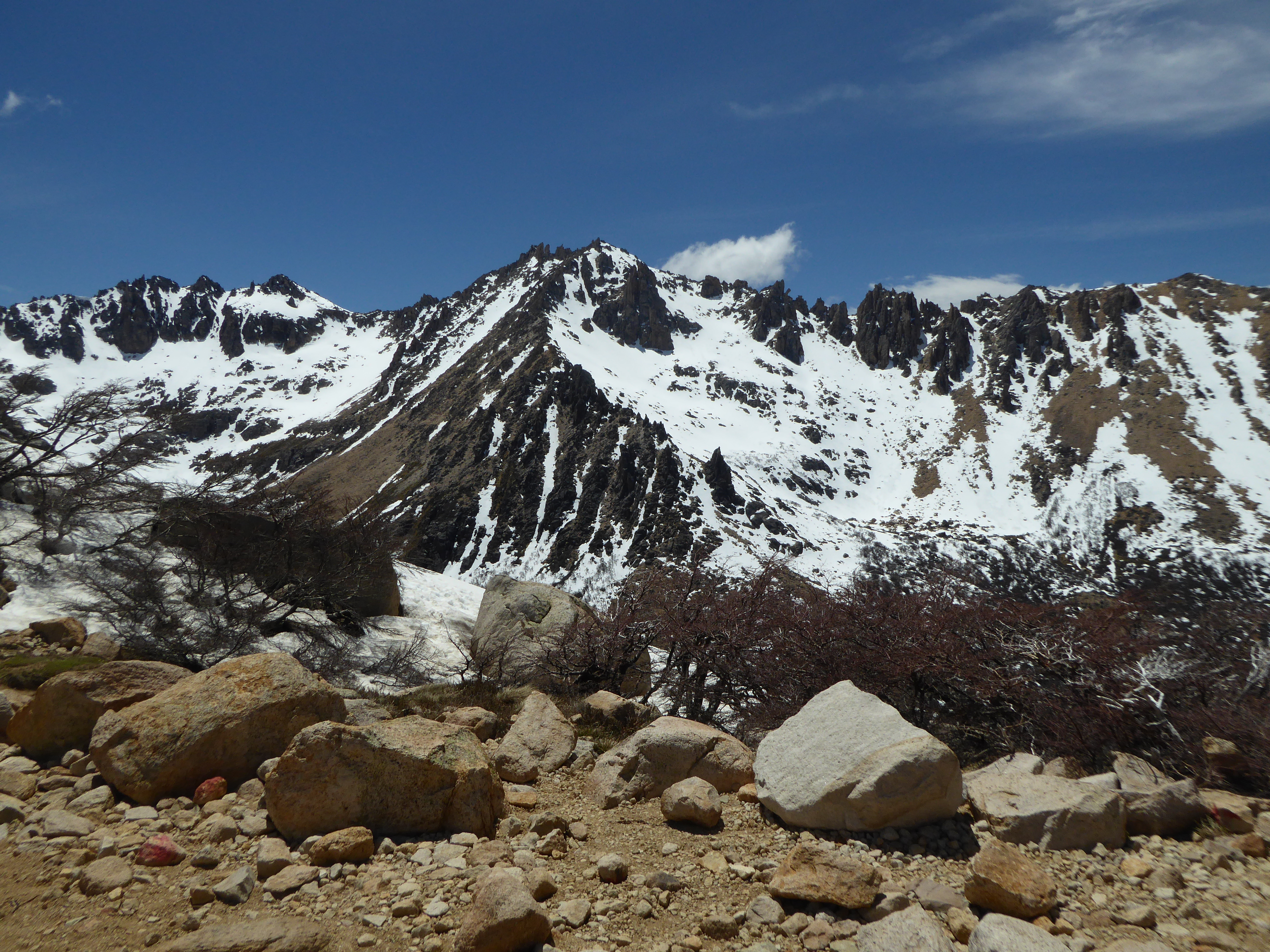
Hikers’ Guide: This hike is easy to moderate, but long. Allow yourself about 6-8 hours depending on your fitness level to complete the Frey hike there and back. Guides typically say 4 hours each way; it took us nearly 3. Bring lots of layers as the Patagonian weather and wind is no joke and especially the final exposed section in the stretch to Frey is cold and windy, as is the area around the lake at the Refugio.
The trail is very well-marked and maintained, making it easy to follow and pleasant. The worst you’ll encounter is snow or mud on the trail or–as we did–some stretches of the trail that are temporarily tiny streams with water lightly running through it and heavy mud.
The starting point is the Cerro Catedral ski area base, which can easily be reached by taking the 55 bus from Bariloche. It takes about 45 minutes and leaves every hour. Recommend asking your hostel or the visitors’ center in town for the bus schedule. Make sure you load up your Sube card for the roundtrip fare.
There’s plenty of drinking water in waterfalls and streams that you’ll cross throughout the hike, as well as for purchase at the Refugio, so it’s not necessary to carry too much water weight.
As always, ask your hostel host or ask at the Club Andino Bariloche offices in Bariloche about conditions of the trail before embarking. Start early in the morning. If you plan to stay overnight, you need to have a reservation, which you can do at the Club Andino Bariloche office in town as well. There are 40 bunks and a camping area.
 Anna Logs It